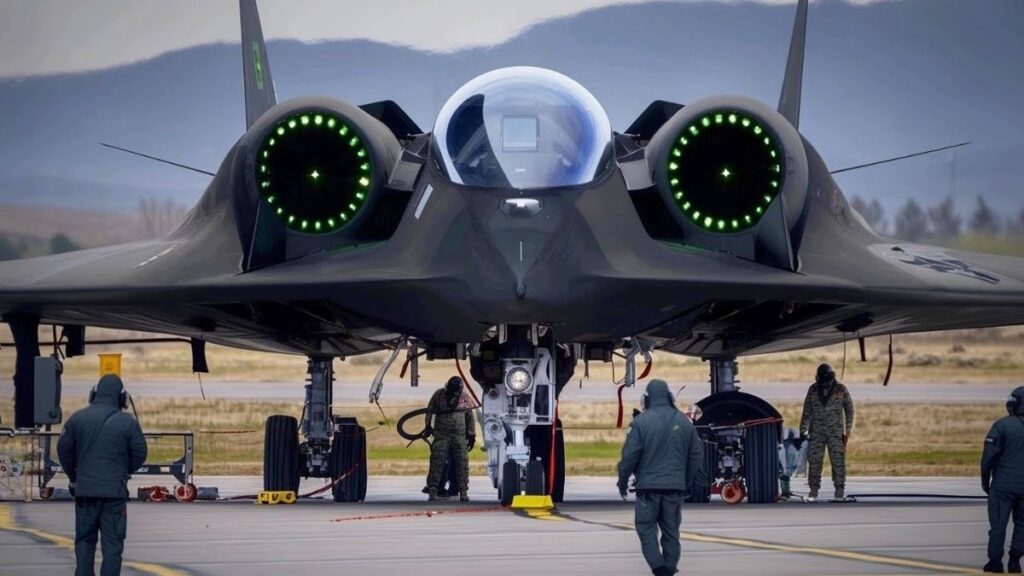
For decades, the A-10 Warthog has carried a reputation as one of the toughest aircraft ever built. Many expected it to fade out as newer jets took the spotlight. Instead, a fresh round of upgrades has pushed the aircraft back into global attention, proving that the old warrior still has plenty to offer. The latest improvements focus on precision, survivability, and the kind of battlefield awareness that modern pilots need. The result is an aircraft that looks familiar on the outside but performs at a level that surprises even longtime observers.
One of the most talked-about updates involves its new targeting and sensor systems. The A-10 now carries improved infrared cameras, better day and night optics, and software that helps pilots track moving targets with much greater accuracy. The combination gives crews clearer views of the ground and reduces the time it takes to identify a threat. In modern conflicts, faster decisions often mean safer missions and fewer risks to troops on the ground. These enhancements allow the Warthog to stay relevant in environments filled with electronic interference and more advanced enemy defenses.
Another major upgrade centers on the aircraft’s wings. The United States Air Force approved a program that replaces aging wings with new, longer-lasting structures designed to support the A-10 for years to come. The fresh wings are built for rough missions, including low-altitude passes that expose the jet to heavy fire. This matters because the A-10’s entire purpose is to fly close, take hits, and keep fighting. Extending its life ensures that the military does not lose one of its most reliable tools for supporting troops on the ground.
The cockpit also received attention. Modern digital displays now give pilots real-time data laid out in a cleaner and more accessible format. Information that once required several steps to access is now easier to read while flying low and fast. The upgrade improves situational awareness during high-stress missions. It also helps new pilots learn the aircraft more quickly, keeping the training pipeline steady even as experienced pilots rotate out.
Weapons improvements add another layer of capability. The A-10 can now use newer precision-guided munitions, including advanced bombs that can strike targets with minimal collateral damage. These weapons let the aircraft handle a wider range of missions, from destroying armored vehicles to helping troops in tight urban fights. The upgrades do not replace the famous 30 mm GAU-8 cannon, which remains the heart of the aircraft. Instead, they give pilots more flexible tools while keeping the Warthog’s defining feature front and center.
Many nations have expressed interest in how the United States managed to keep such an old platform effective. In an age where militaries often retire aircraft early, the A-10’s revival stands out. The latest upgrades show that with the right investment, a proven design can still surprise the world. The Warthog may not be the fastest or the newest jet in the sky, but it continues to earn its place as one of the most dependable aircraft on the battlefield.