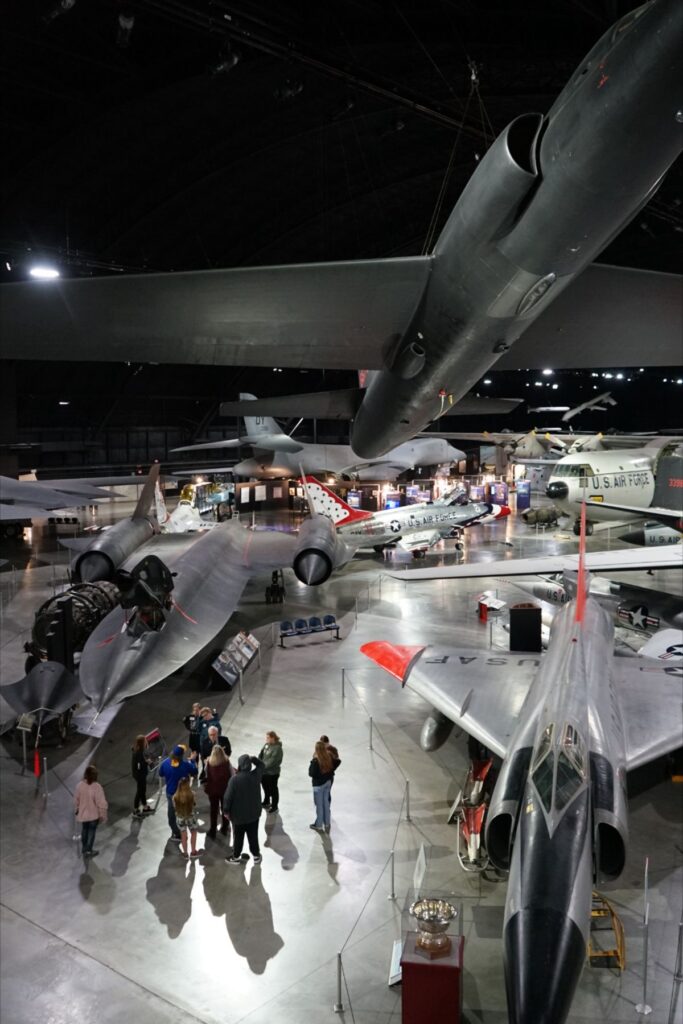
The National Museum of the United States Air Force in Dayton is marking its 100th year, a milestone that highlights both its long history and its continued importance to aviation enthusiasts, veterans and families who simply want a closer look at the aircraft that shaped the last century. What began in 1923 as a modest engineering study collection has grown into the world’s oldest and largest military aviation museum, now drawing millions of visitors who come to explore the story of flight in a way few places can offer.
A visit today feels different than it did decades ago, yet the goal has stayed the same. The museum continues to preserve aircraft, artifacts and personal stories that reveal how aviation changed global events. Walking through its galleries gives you a sense of that evolution. Early biplanes sit just steps away from sleek Cold War jets. You can stand beneath the wing of a B-52, look inside a presidential aircraft or study the worn controls of a plane that returned from combat. Every display reflects a moment in history that someone lived through, which is part of what makes the museum so engaging.
The centennial celebration has sparked renewed interest in how the collection came together. Much of its growth came from dedicated crews who worked long hours restoring aircraft that were often pulled from storage yards or returned from overseas assignments in rough shape. Many of the museum’s most iconic pieces, including the Memphis Belle and several historic test aircraft, took years of detailed work before they could be shown to the public. That behind-the-scenes commitment is a big reason the museum has earned such respect within the aviation community.
Beyond the aircraft, the museum has also focused on the people who flew, maintained or supported them. The centennial year includes new exhibits highlighting personal accounts, letters, photos and video interviews. These additions help visitors understand the human side of aviation history, which can get lost when you’re standing under a giant bomber or next to a towering rocket. The stories give context to the machines and remind visitors that history is built by individuals, not only hardware.
The museum’s future is also part of the celebration. Plans for the next decade include updates to interactive displays, expanded educational programs for students and new digital resources for people who cannot travel to Dayton. The goal is to reach a wider audience while keeping the museum’s hands-on, walk-right-up experience intact. Even as technology changes, the thrill of standing beside an aircraft that once crossed oceans or broke altitude records still resonates.
Reaching 100 years is more than a symbolic achievement. It reflects the museum’s ability to adapt, grow and stay relevant while remaining grounded in its mission to preserve and share the Air Force story. As visitors arrive for the centennial events, they aren’t just celebrating a museum; they’re acknowledging a century of innovation, service and aviation heritage that continues to inspire.