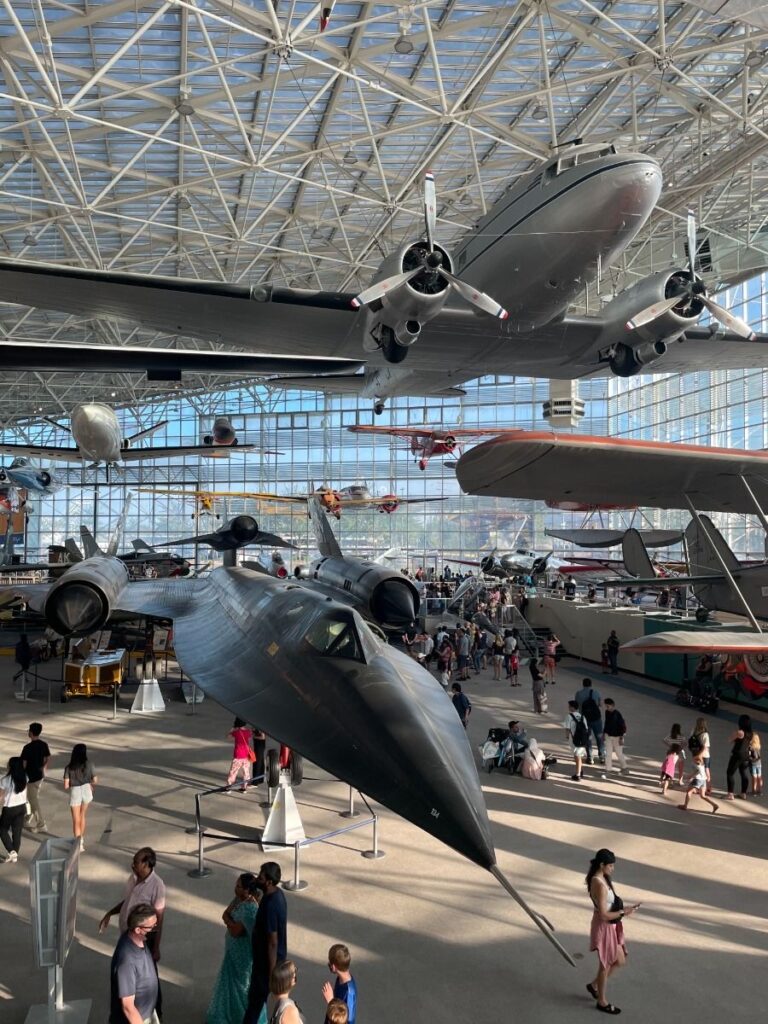
The SR-71 never fired a shot in anger, but it fought in its own way. Its battlefield was the upper edge of the atmosphere, where air thins into space and only a handful of machines have ever operated with any confidence. While other aircraft relied on weapons or maneuverability, the SR-71 relied on something far more elusive: speed. It defended itself not by turning toward a threat, but by outrunning anything that tried to catch it. In that sense, the aircraft waged a constant fight against physics, time and the limits of human engineering.
When it first entered service in the 1960s, the SR-71 represented a step beyond anything flying. It was intended to gather intelligence long before satellites could be repositioned quickly or drones had matured. That mission put it directly in the crosshairs of advanced air defenses around the world. These systems were built to protect borders, and the Blackbird flew right along the edge of those borders while carrying cameras capable of reading the ground in astonishing detail. Every mission required precision, discipline and confidence that the aircraft could outpace every threat.
Fighter jets attempted to intercept it, and missiles were launched at it more than once. In those moments the SR-71’s version of fighting began. The crew would push the throttles forward and let the engines and airframe do what they were designed for. Acceleration in the Blackbird was not a brief burst; it was a steady climb toward speeds above Mach 3. At that velocity the jet grew so hot that parts of the structure expanded several inches. Even so, it remained stable and predictable enough for the crew to keep gathering data while leaving danger behind. Each successful escape reinforced a strange truth: the fastest aircraft in the sky did not need weapons as long as nothing could reach it.
The fight was not only against external threats. The SR-71 challenged its pilots and reconnaissance officers on every flight. Managing the engines, the fuel system and the constant heating required immense focus. Long missions meant hours spent in a pressurized suit, working in a cockpit that offered little room but demanded constant attention. The margin for error narrowed with altitude and speed, and the crews trained relentlessly to stay ahead of the jet. Their discipline gave the aircraft its reputation for dependability, even though it operated at the edge of what materials and technology of the time could support.
Although the Blackbird never became a combat platform, its presence shaped global decision-making. The intelligence it provided influenced military planning, diplomatic strategies and assessments of emerging threats. That may have been the most important fight of all: preventing misunderstandings and miscalculations during tense moments in history. The SR-71 earned respect not by engaging in direct combat but by outclassing every challenge placed in its path. Its legacy is a reminder that sometimes the most decisive victories come from seeing clearly and staying out of reach.