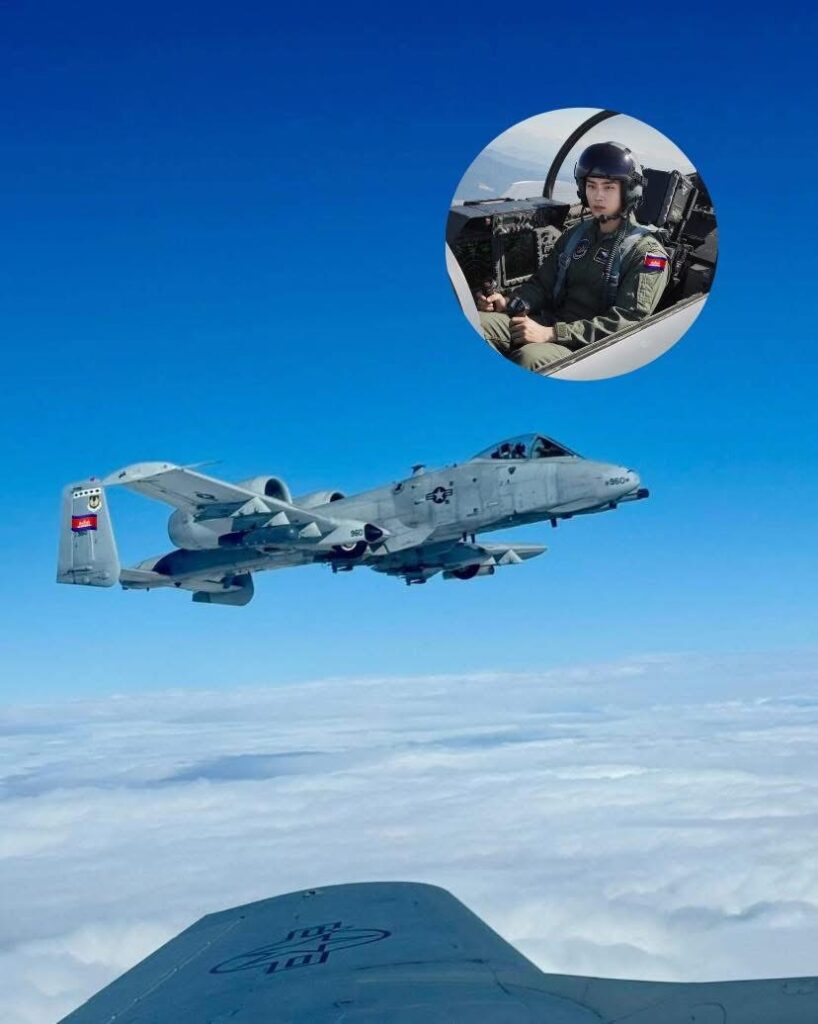
The A-10 Thunderbolt II stands as one of the most distinctive and effective ground attack aircraft ever built. Designed during the Cold War, its purpose was simple and demanding: provide close air support for ground forces under heavy fire. While many aircraft focus on speed, stealth, or high altitude performance, the A-10 was built around survivability, firepower, and precision at low altitude. This clear focus has defined its legacy for decades.
At the heart of the A-10 is the GAU-8/A Avenger cannon, a massive 30 mm rotary gun capable of firing armor piercing rounds at a devastating rate. The aircraft was designed around this weapon, not the other way around. The gun’s accuracy and stopping power allow pilots to destroy tanks, armored vehicles, and fortified positions with remarkable reliability. The sound of the cannon alone has become iconic, often described by ground troops as reassuring and unmistakable.
Survivability is another defining feature of the A-10. The aircraft is built to absorb damage and keep flying. Its titanium armored cockpit, often called the “bathtub,” protects the pilot from small arms fire and shrapnel. Redundant flight systems, self sealing fuel tanks, and widely spaced engines all increase the aircraft’s ability to return home after taking hits. Even with significant damage, many A-10s have safely landed, reinforcing the aircraft’s reputation as tough and dependable.
The A-10’s flight characteristics also serve its mission well. It is relatively slow and highly maneuverable, allowing pilots to loiter over the battlefield and respond quickly to changing conditions. This endurance gives ground commanders a reliable presence overhead, not just a brief strike. Pilots often fly multiple passes, adjusting their attacks based on real time communication with troops on the ground. This close coordination has saved countless lives.
Despite its effectiveness, the A-10 has faced repeated retirement proposals. Critics argue that it is outdated in an era of advanced air defenses and multirole fighters. Supporters counter that no other aircraft matches its combination of durability, firepower, and focus on close air support. Modern upgrades, including improved targeting systems and precision guided weapons, have kept the A-10 relevant in contemporary conflicts.
The A-10 is more than just a machine. It represents a design philosophy that prioritizes the needs of soldiers on the ground. Its continued use reflects a recognition that technology alone does not replace purpose built tools. As long as close air support remains essential, the A-10 will continue to be respected by those who rely on it most.