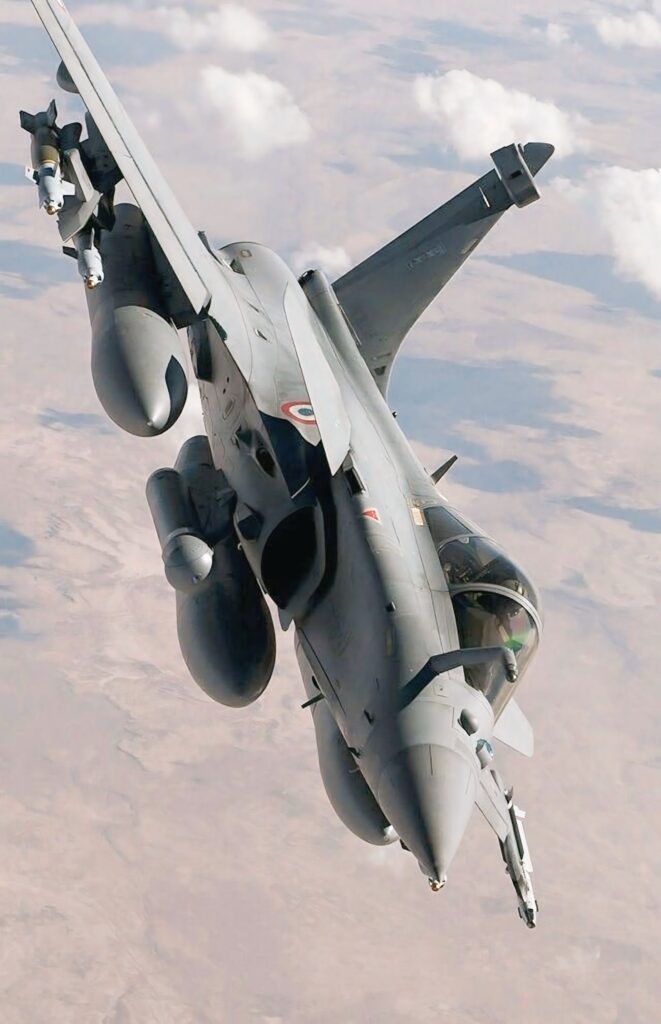
The F-35 Fighting aircraft, formally known as the F-35 Lightning II, represents one of the most advanced combat aircraft ever developed. Designed as a fifth-generation multirole fighter, it was built to handle a wide range of missions, including air-to-air combat, ground attack, and intelligence gathering. What sets the F-35 apart is not just its speed or firepower, but how it combines technology, data, and pilot awareness into a single fighting system.
At the core of the F-35’s fighting capability is stealth. Its shape and materials are designed to reduce radar detection, allowing it to enter contested airspace with a lower risk of being tracked or targeted. This advantage changes how combat is approached. Instead of relying only on speed or maneuvering, the F-35 focuses on seeing the enemy first and striking before being seen. In modern warfare, this early awareness often determines the outcome of a fight.
Another key strength of the F-35 is its sensor fusion. The aircraft collects information from radar, infrared sensors, electronic warfare systems, and allied platforms. This data is processed and displayed in a clear, unified picture for the pilot. Rather than managing multiple screens and systems, the pilot receives a real-time overview of the battlefield. This reduces workload and improves decision-making during high-pressure combat situations.
The F-35 is also designed to fight as part of a network. It can share information with other aircraft, ground forces, and naval units. This means one F-35 can detect a threat and pass targeting data to another platform that may be better positioned to engage. In this way, the aircraft acts as both a fighter and a battlefield coordinator. This cooperative approach reflects how modern wars are fought, with success depending on coordination rather than individual platforms acting alone.
In terms of weapons, the F-35 carries a mix of air-to-air missiles, precision-guided bombs, and a built-in cannon. Weapons can be carried internally to preserve stealth or externally when stealth is less critical. This flexibility allows the aircraft to adapt to different combat environments, from high-threat zones to more permissive operations. The aircraft’s ability to switch roles without major reconfiguration makes it valuable to air forces with limited resources.
Despite its advanced design, the F-35 has faced criticism over cost, development delays, and maintenance challenges. These concerns are valid and continue to shape discussions about its long-term role. However, many operators argue that its combat effectiveness, survivability, and information dominance justify the investment.
In conclusion, the F-35 Fighting aircraft is less about traditional dogfighting and more about controlling the battlespace. It emphasizes awareness, connectivity, and precision over raw speed or agility alone. As air combat continues to evolve, the F-35 reflects a shift toward smarter, more integrated ways of fighting, where information is as powerful as any weapon.