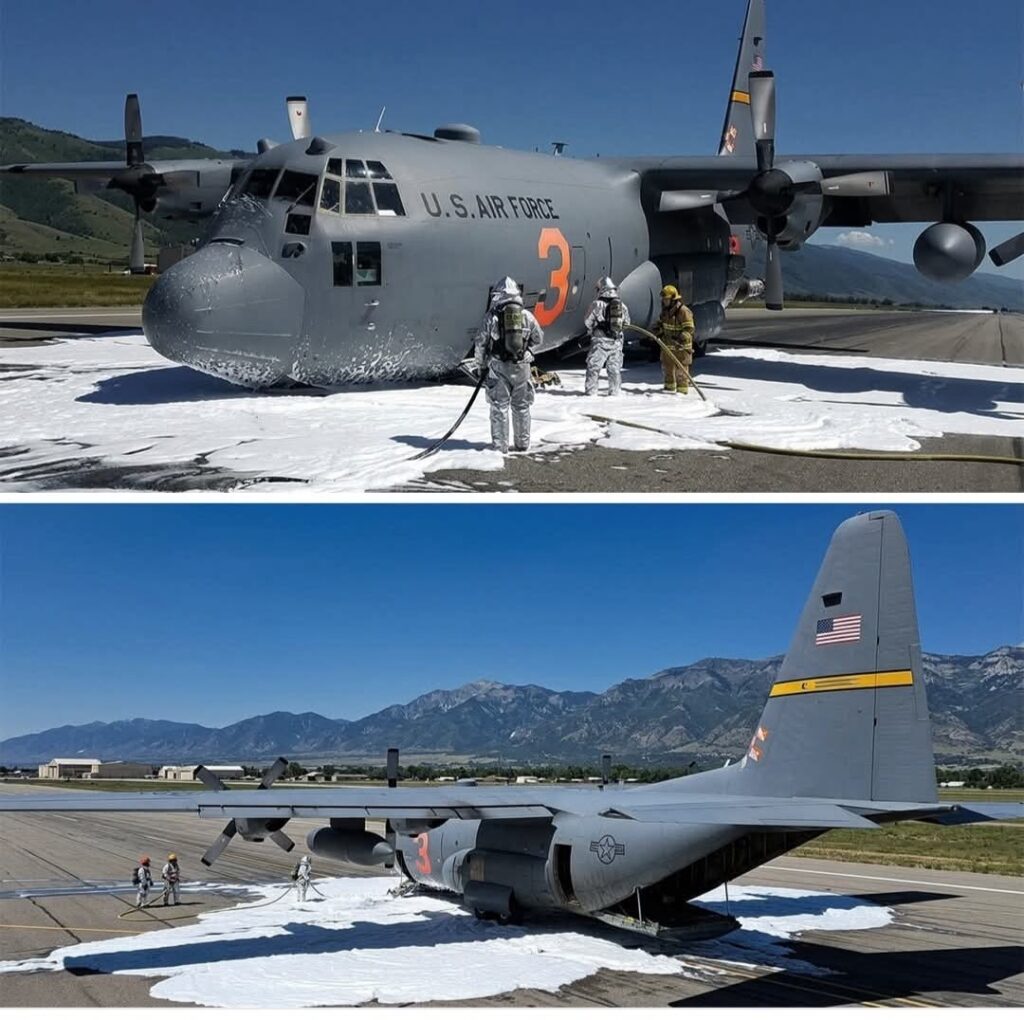
The primary mission of the U.S. Air Force is to fly, fight, and win in air, space, and cyberspace. Its responsibilities include air superiority, intelligence gathering, surveillance, reconnaissance, rapid global mobility, and nuclear deterrence. With thousands of aircraft and highly trained personnel, the Air Force can respond quickly to threats anywhere in the world. It operates fighter jets, bombers, cargo aircraft, drones, and refueling tankers that support military missions both in peace and wartime.
Some of the most famous aircraft used by the Air Force include the F-22 Raptor, F-35 Lightning II, and B-2 Spirit. These aircraft are known for their advanced stealth technology, speed, and combat capabilities. The Air Force also uses large transport planes such as the C-17 Globemaster III to move troops, supplies, and humanitarian aid around the world.
In addition to combat operations, the U.S. Air Force contributes to disaster relief and humanitarian missions. During natural disasters such as hurricanes, earthquakes, and floods, Air Force personnel deliver emergency supplies, rescue victims, and provide medical support. Their ability to transport equipment and personnel quickly makes them essential during global emergencies.
The Air Force is also deeply involved in space operations and cybersecurity. Modern warfare depends heavily on satellites, communications systems, and digital networks. Air Force specialists work to protect these systems from cyberattacks and ensure reliable communication for military operations. In recent years, cooperation with the United States Space Force has increased as space becomes more important for national security.
Training and discipline are major parts of Air Force life. Pilots, engineers, mechanics, and support staff go through extensive education and technical preparation. The Air Force is known for promoting innovation, leadership, and teamwork. Many technologies developed for military aviation have later benefited civilian aviation and scientific research.
Throughout history, the U.S. Air Force has participated in major conflicts including the Korean War, Vietnam War, Gulf War, and operations in Afghanistan and Iraq. Its air power has often provided strategic advantages by gathering intelligence, supporting ground troops, and striking enemy targets with precision.
Today, the U.S. Air Force continues to modernize its equipment and strategies to face new global challenges. As technology evolves, the Air Force remains a key part of American defense and international security. Its combination of advanced aircraft, skilled personnel, and global reach makes it one of the most respected air forces in the world.