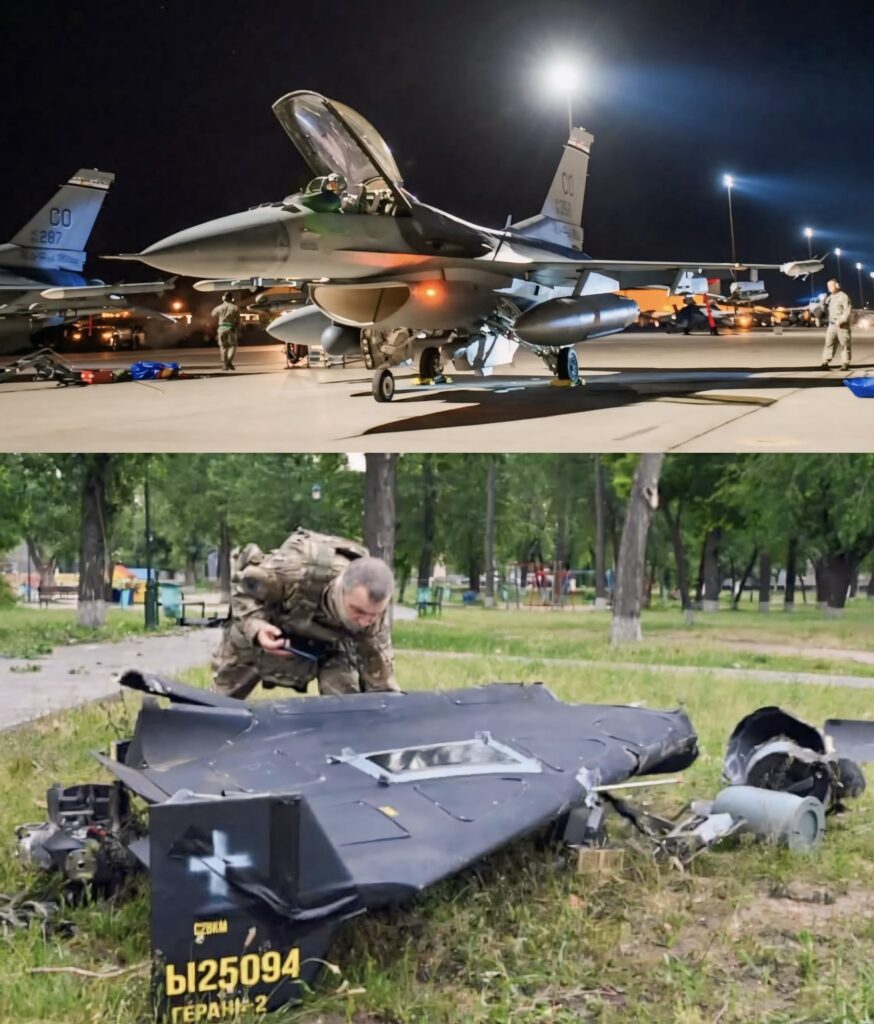
The modern battlefield is shaped by speed, intelligence, and precision, and few aircraft combinations demonstrate this better than the partnership between the Gulfstream G550, the F-16 Fighting Falcon, and the F-35 Lightning II. Each aircraft serves a different purpose, yet together they form a powerful network that gives modern air forces a decisive advantage in combat operations.
The G-550 is widely known as a long-range business jet, but in military service it has become one of the most advanced intelligence and surveillance platforms in the world. Modified versions of the aircraft are equipped with radar systems, electronic warfare equipment, and communication tools that allow commanders to see the battlefield in real time. Instead of carrying weapons, the G-550 carries information, and in modern warfare, information can be just as important as firepower. Its long range allows it to stay in the air for extended periods, monitoring enemy activity and sharing critical data with fighter aircraft.
That is where the F-16 comes into the picture. The F-16 Fighting Falcon has been one of the most successful multirole fighters ever built. Known for its speed, agility, and versatility, it can perform air-to-air combat, ground attacks, and close air support missions. Even though it first entered service decades ago, upgraded versions continue to play a major role in many air forces around the world. When supported by intelligence aircraft like the G-550, the F-16 becomes even more effective because pilots can receive real-time information about enemy positions, threats, and mission targets before entering combat zones.
The F-35 Lightning II represents the next generation of fighter technology. Unlike the F-16, the F-35 is designed with stealth in mind, meaning it can enter heavily defended airspace without being easily detected by enemy radar. It also carries advanced sensors that allow the pilot to see a complete picture of the battlefield through a single system. This aircraft does not just fight on its own; it works as part of a larger network. Data collected by the G-550 can be shared directly with the F-35, and the F-35 can then pass that information to other aircraft, including the F-16. This level of coordination makes modern air operations faster and more precise than ever before.
Together, these three aircraft represent the evolution of air power. The G-550 focuses on intelligence and coordination, the F-16 provides reliable multirole combat strength, and the F-35 delivers advanced stealth and technology. Instead of relying on one type of aircraft to do everything, modern air forces use a combination of specialized platforms that support one another. This teamwork allows pilots to operate more safely while increasing the chances of mission success.
In today’s rapidly changing global security environment, air superiority depends not only on speed or firepower but also on communication and awareness. The G-550, F-16, and F-35 show how modern technology has transformed the way wars are fought in the air. By combining intelligence, agility, and stealth, these aircraft form a powerful system that will continue to shape the future of military aviation for many years to come.