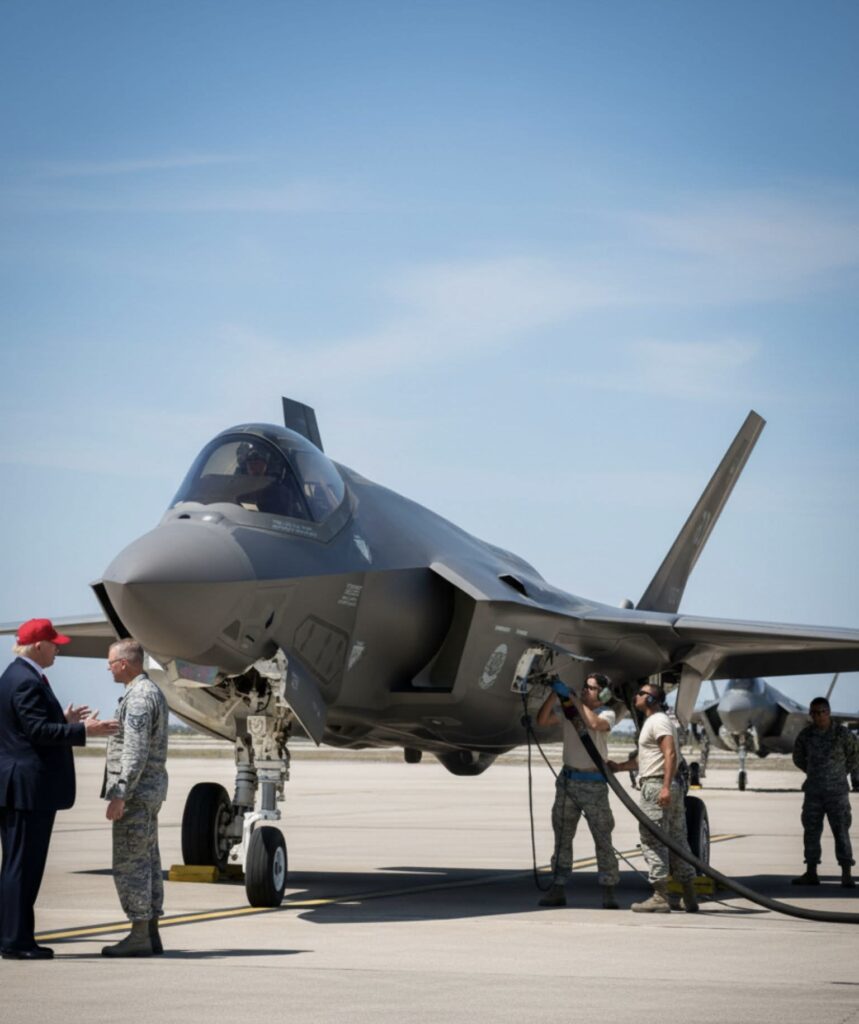
Keeping an F-35 Lightning at peak readiness takes more than advanced software and cutting edge hardware. It depends on the crew whose hands, eyes, and decisions shape every sortie before the pilot even climbs the ladder. Their work often happens in the dark, long before dawn, but the impact is felt in every mission the aircraft flies.
A typical day on the line starts with a walkaround. Crew chiefs and maintainers study the jet from nose to tail, checking for small signs of stress that could grow into real issues if left alone. They inspect landing gear, control surfaces, cooling inlets, sensors and every panel that protects the F-35’s internal systems. Nothing gets rushed. The aircraft may look sleek and simple from a distance, but the team knows how complex it truly is. One loose connector or a hint of corrosion can change the outcome of a mission.
Much of the F-35’s power comes from its ability to gather and process information. That means avionics specialists play a central part in its upkeep. They run diagnostics, confirm that sensor packages are healthy and make sure the jet’s data links can communicate with other aircraft and ground stations. When software updates roll out, they guide the process and verify that the systems behave exactly as expected. The jet’s brain is only as sharp as the technicians who maintain it.
Alongside them are the weapons loaders. Their world is measured in torque values, safety pins and careful teamwork. Whether the jet carries guided bombs or air to air missiles, every step follows a strict sequence. The loaders talk constantly, double checking each step until they are confident the weapons are secure, safe and ready. A mistake here can cost lives. The pride they take in doing it right shows in the quiet confidence they bring to the job.
Fuel specialists are part of the picture too. The F-35 demands clean, stable fuel and the crew treats it like a living system. They monitor storage tanks, check for contamination and follow procedures that prevent static buildup or spills. Once the hose connects to the aircraft, they keep watch on flow rates and pressures. It may sound routine, but no aircraft leaves the ground without them.
When the pilot arrives, the crew shifts into a smooth rhythm. They discuss the jet’s status, sign off on checks and guide the aircraft out of its spot. The engine’s roar signals a handoff between people who maintain the jet and the one who will fly it. Even then, the crew keeps listening and watching. If something sounds off or a light flashes unexpectedly, they are ready.
After the mission, the cycle starts again. Heat, vibration and stress leave their marks. The maintainers inspect the aircraft the moment it returns, identifying what needs attention before the next flight. Their work rarely draws headlines, but without it, the F-35’s capabilities remain only potential.
The USAF depends on these teams to keep the Lightning reliable, safe and lethal. Their skill turns a sophisticated machine into a mission ready fighter, and that is what ensures it can strike when the nation calls.