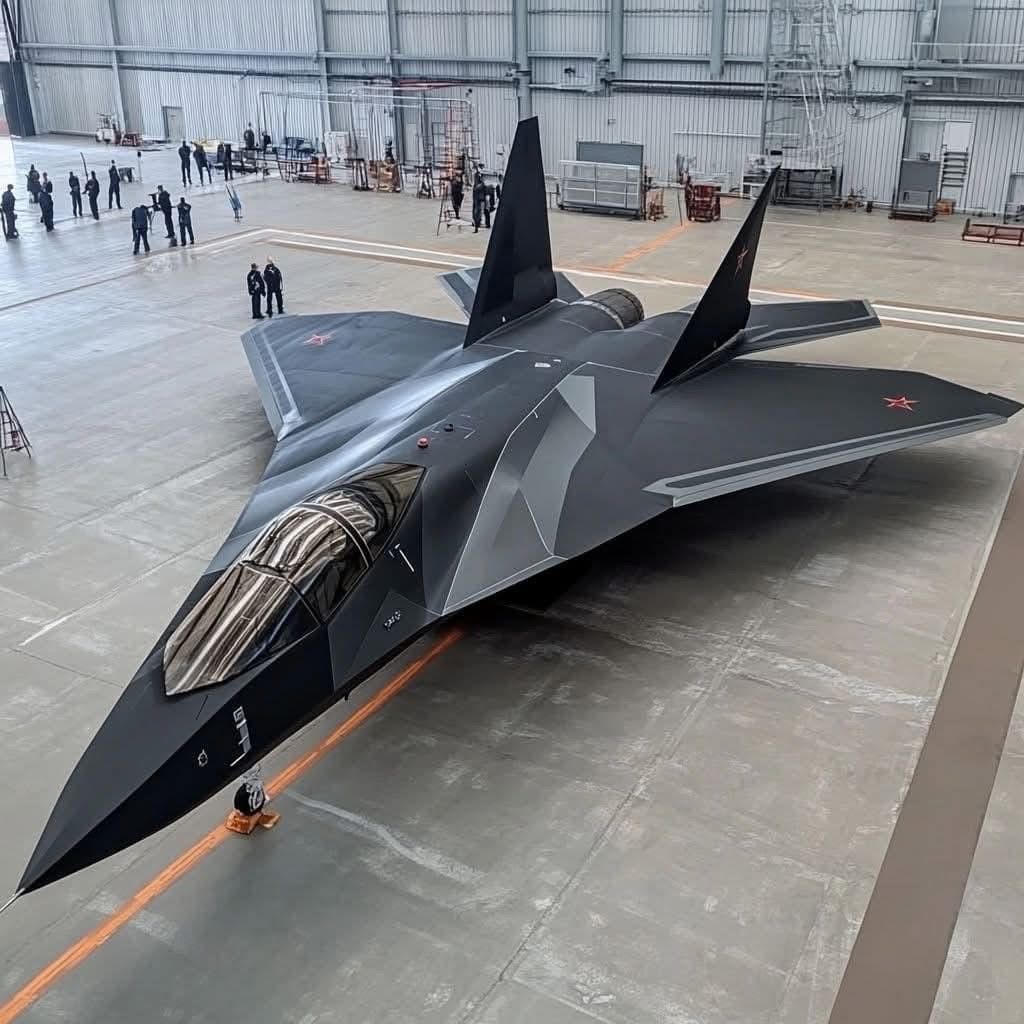
The F-22 Raptor is widely regarded as one of the most advanced fighter aircraft ever built. Developed for the United States Air Force, it was designed to secure air superiority against any potential adversary. Combining stealth, speed, agility, and sophisticated avionics, the F-22 represents a major leap forward in modern air combat technology.
The aircraft was developed by Lockheed Martin in partnership with Boeing. It first flew in 1997 and officially entered service in 2005. The program was created during the final years of the Cold War, when the United States sought a next generation fighter capable of countering advanced Soviet aircraft. Even after the Cold War ended, the aircraft remained highly relevant as global military competition evolved.
One of the defining characteristics of the F-22 is its stealth capability. Its shape, radar absorbing materials, and internal weapons bays significantly reduce its radar cross section. Unlike older fighters that carry weapons on external pylons, the F-22 stores missiles and bombs internally, helping it remain difficult to detect. This gives it a critical advantage in combat by allowing it to engage enemies before being seen.
Speed and maneuverability are also central to its design. The F-22 can cruise at supersonic speeds without using afterburners, a capability known as supercruise. This allows it to travel faster while conserving fuel and reducing its heat signature. Its two powerful engines also feature thrust vectoring nozzles, which enable exceptional agility. The aircraft can perform sharp turns and complex maneuvers that would challenge many other fighters.
Beyond its physical performance, the F-22 excels in avionics and sensor fusion. Its onboard radar and electronic systems gather vast amounts of information, which are then integrated into a clear picture for the pilot. Rather than managing separate streams of data, the pilot receives a unified tactical display. This enhances situational awareness and decision making in high pressure environments.
The F-22 is armed primarily for air to air combat, carrying advanced air to air missiles internally. However, it also has limited ground attack capability, allowing it to strike strategic targets when required. While it was designed mainly as an air dominance fighter, its versatility makes it effective across multiple mission types.
Despite its technological strengths, the F-22 program faced challenges. High production costs led to a relatively small fleet, with just under 200 operational aircraft built before production ended in 2011. The aircraft is also exported to no other country, as US law prohibits its foreign sale to protect its sensitive technology.
Today, the F-22 remains a cornerstone of American air power. Although newer aircraft such as the F-35 Lightning II have entered service, the F-22 continues to be unmatched in pure air superiority. It stands as a symbol of advanced engineering and strategic military capability, reflecting the United States’ commitment to maintaining control of the skies.