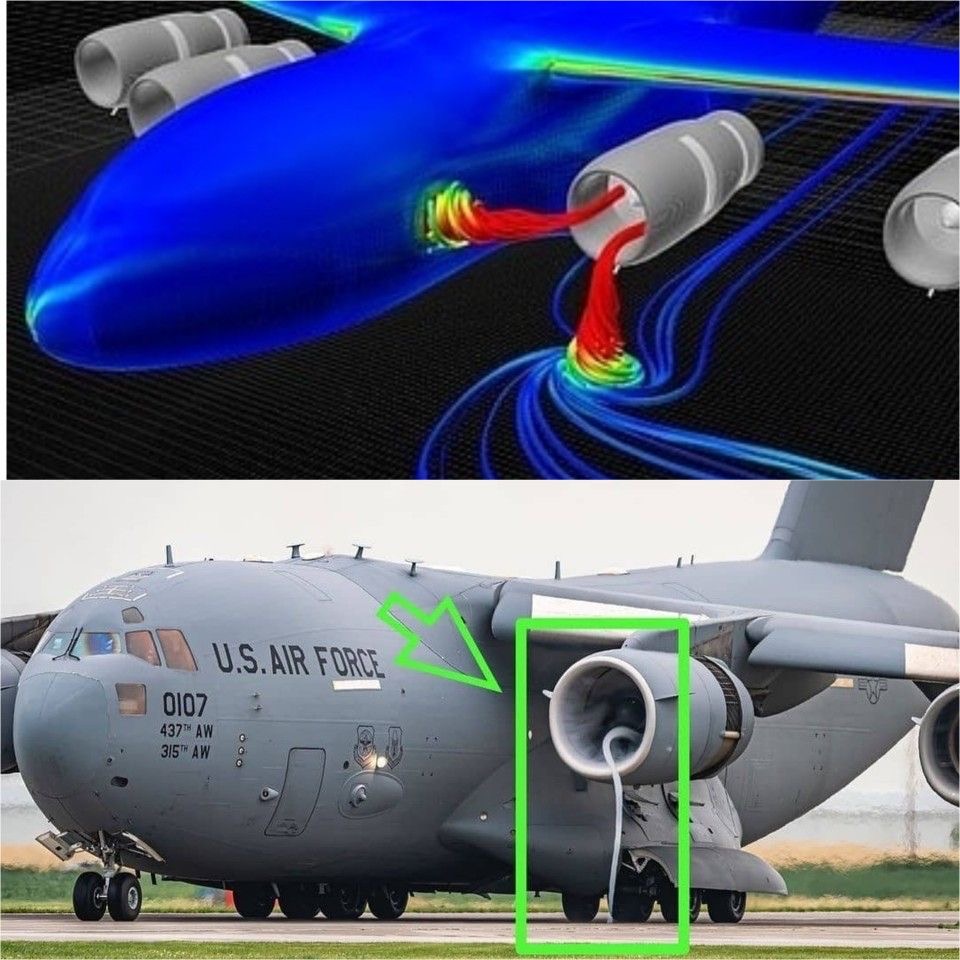
The C-17 Globemaster III is one of the most important airlifters in modern military aviation. Built to move troops, equipment, and humanitarian supplies across long distances, it combines size, strength, and flexibility in a single aircraft. Operated primarily by the U.S. Air Force, the C-17 plays a central role in global mobility operations.
Designed in the late twentieth century, the C-17 was created to replace older cargo aircraft and improve the military’s ability to respond quickly to crises. It bridges the gap between strategic and tactical airlift. That means it can carry heavy loads across continents, yet still land on shorter, less developed runways closer to the front lines. This dual capability gives commanders greater flexibility during both combat and relief missions.
The aircraft is powered by four high-thrust turbofan engines mounted under its swept wings. These engines allow the C-17 to carry oversized cargo while maintaining strong takeoff performance. Despite its large size, the aircraft is surprisingly agile. It can perform steep tactical descents and operate from airfields that would be inaccessible to many other large transport planes.
Inside, the cargo bay is wide and spacious. The C-17 can transport tanks, armored vehicles, helicopters, and heavy engineering equipment. It can also carry more than one hundred fully equipped troops. The interior is designed for rapid loading and unloading, using a rear ramp that can be lowered in flight for airdrop missions. This feature enables the aircraft to deliver supplies or personnel directly into areas where landing may not be possible.
Beyond combat operations, the C-17 has become a vital asset in humanitarian assistance and disaster relief. It has delivered food, medical supplies, and rescue teams to regions affected by earthquakes, floods, and hurricanes. Its ability to fly long distances without refueling makes it ideal for urgent global response. In many emergencies, the arrival of a C-17 signals the beginning of large-scale relief efforts.
Safety and reliability are key elements of its design. Advanced avionics systems support navigation, communication, and situational awareness. The aircraft is equipped with defensive systems to protect against certain threats in hostile environments. Meanwhile, maintenance crews ensure the aircraft remains mission-ready through detailed inspections and regular servicing.
The C-17 also reflects international cooperation. Several allied nations operate the aircraft, strengthening joint airlift capabilities around the world. This shared platform supports multinational missions, peacekeeping operations, and coalition deployments.
Over the years, the C-17 Globemaster III has proven itself as a dependable workhorse of modern air power. It delivers not only military strength but also humanitarian support when it matters most. Its combination of range, payload capacity, and operational flexibility ensures it remains a cornerstone of global mobility.
In today’s unpredictable security environment, rapid movement is essential. The C-17 makes that movement possible. Whether transporting soldiers into challenging terrain or delivering life-saving supplies after a natural disaster, it stands as a symbol of reach, readiness, and commitment.